Archive #002
10 mins read
9CAARS EDITORIAL

Audi A4 DTM: The Silhouette That Conquered Hockenheim
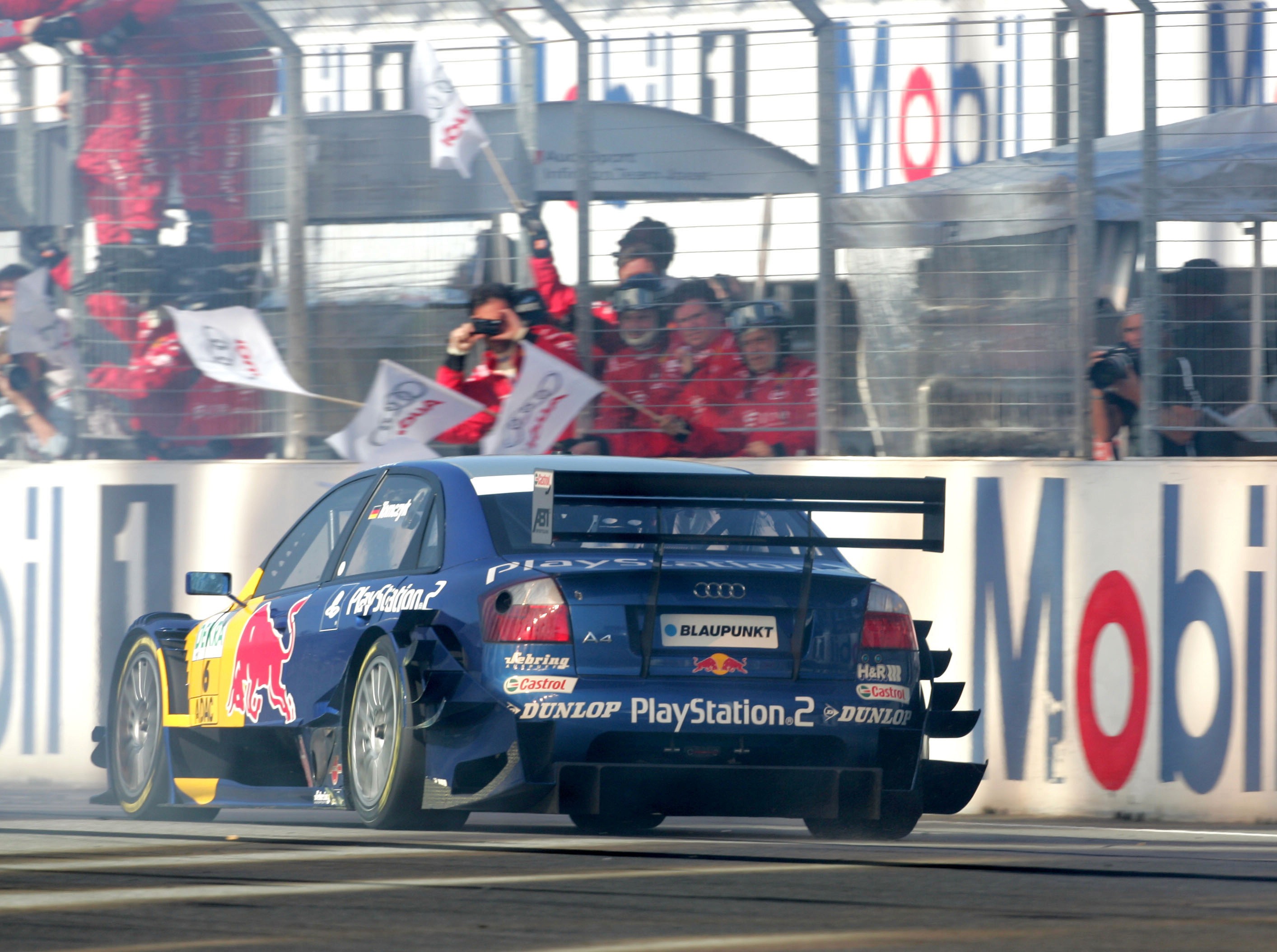
In 2004, when Audi returned to the Deutsche Tourenwagen Masters (DTM) as an official factory works team, few expected such immediate, brutal dominance. Driven by Swedish sensation Mattias Ekström, the Red Bull and PlayStation 2-liveried Audi A4 DTM tore through the grid, capturing the championship in its very debut season.
This is the story of a pure Le Mans-bred weapon hiding underneath the skin of an everyday family sedan.

An A4 in Name Only
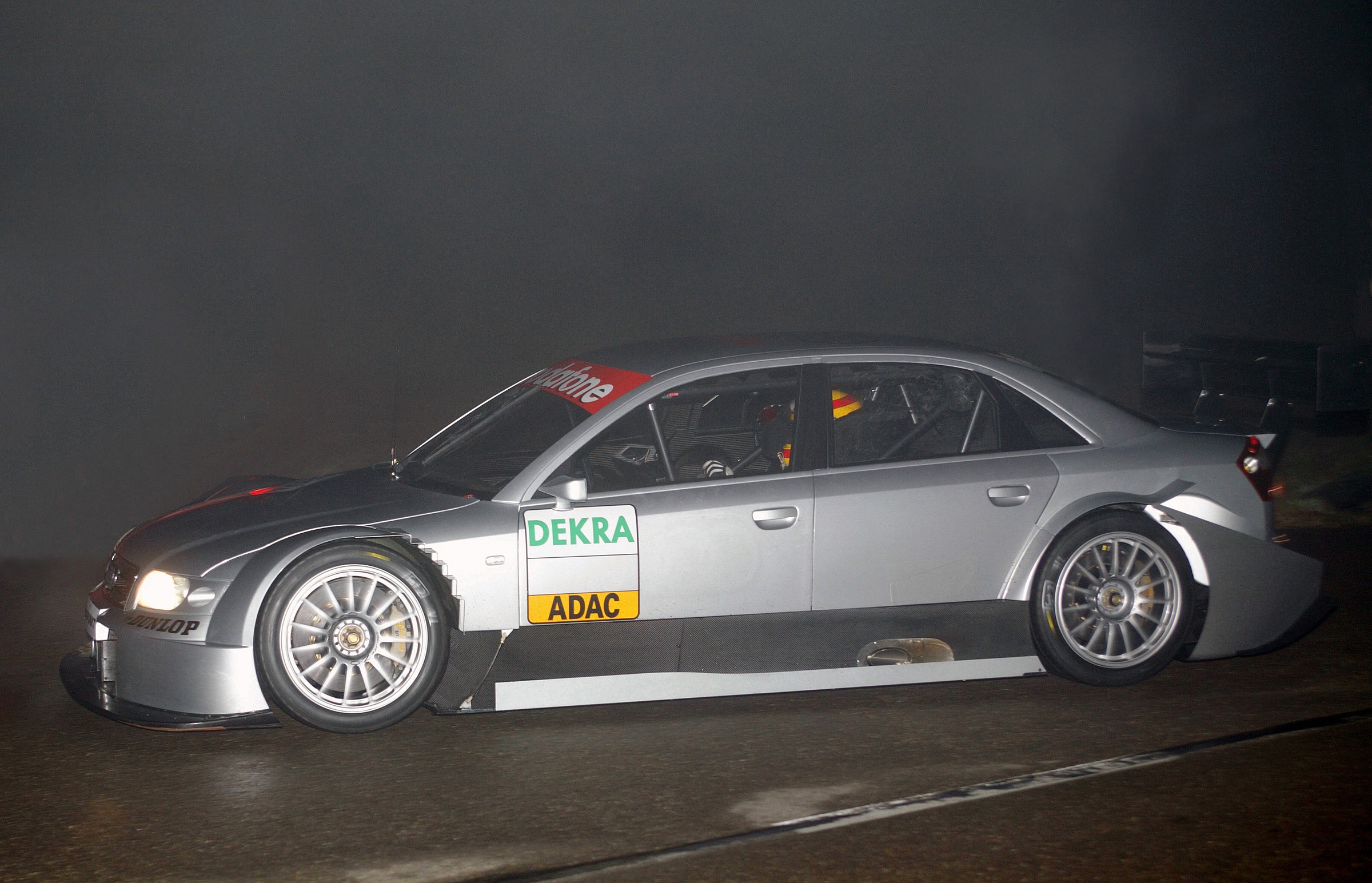
Audi Sport engineers left virtually zero production parts when constructing this machine. DTM regulations strictly outlawed Audi's signature Quattro all-wheel-drive system, meaning this monster was strictly rear-wheel drive. The body panels were shaped entirely out of carbon fiber, draped over a tubular steel spaceframe safety cell. For marketing's sake, the headlights, grille, and badging were essentially the only design cues shared with the street car.

Le Mans DNA Under the Carbon
Audi spent the early 2000s completely dominating the 24 Hours of Le Mans with their legendary Audi R8 LMP prototype. While designing the A4 DTM, engineers bypassed traditional touring car tech and lifted the advanced electronics, data logging software, and telemetry systems directly out of their Le Mans winner. Beneath the sedan body layout beat the high-tech heart of an endurance racer.

An Engine in the Rear Seats
To achieve a perfect front-to-rear weight distribution, the 4.0-liter naturally aspirated V8 engine block was pushed radically backward into the firewall. It sat entirely behind the front axle. Because the engine intruded so deeply into the cabin, Mattias Ekström’s racing bucket seat had to be bolted almost entirely into what would normally be the rear passenger footwell of a standard A4 production car.

The Single Air-Jack Advantage
In DTM racing, pit stop seconds mean the difference between a podium and a loss. To shave off vital grams of weight, Audi engineers ditched the traditional dual air-jack systems used by rivals. Instead, they engineered a single, high-pressure central air-jack positioned right in the middle of the chassis. With one single burst of compressed air, the entire car launched evenly into the sky, cutting tire-swap windows down to milliseconds.

The Instant-Release Rear Clip
To ensure rapid roadside or pit lane repairs after aggressive track contact, the entire rear section of the bodywork was designed as a single, modular "clip." Held together by quick-release heavy-duty fast pins, mechanics could yank off the entire rear body layout in under three seconds, instantly exposing the specialized differential, rear suspension setup, and transaxle for lightning-fast servicing.
From the Track to the Streets
To immortalize Mattias Ekström's historic 2004 triple-crown championship title (Drivers', Teams', and Manufacturers' cups), Audi launched the limited-run Audi A4 DTM Edition from 2005 to 2007. It paired custom real carbon fiber splitters, aggressive custom DTM-styled bumpers, and motorsport-inspired Recaro bucket seats with a tuned 220 hp engine, creating a highly sought-after modern collector classic.
NEXT IN THE JOURNAL